


-

Add: HeBei ShengShi HongBang Cellulose Technology CO.,LTD.
-

Email
13180486930@163.com -

CONTACT US
+86 13180486930
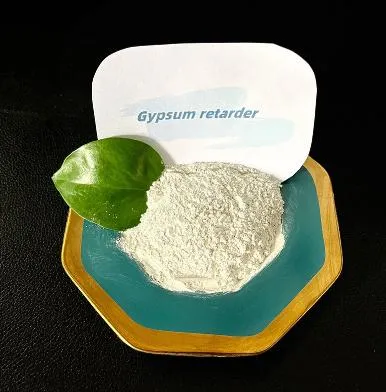
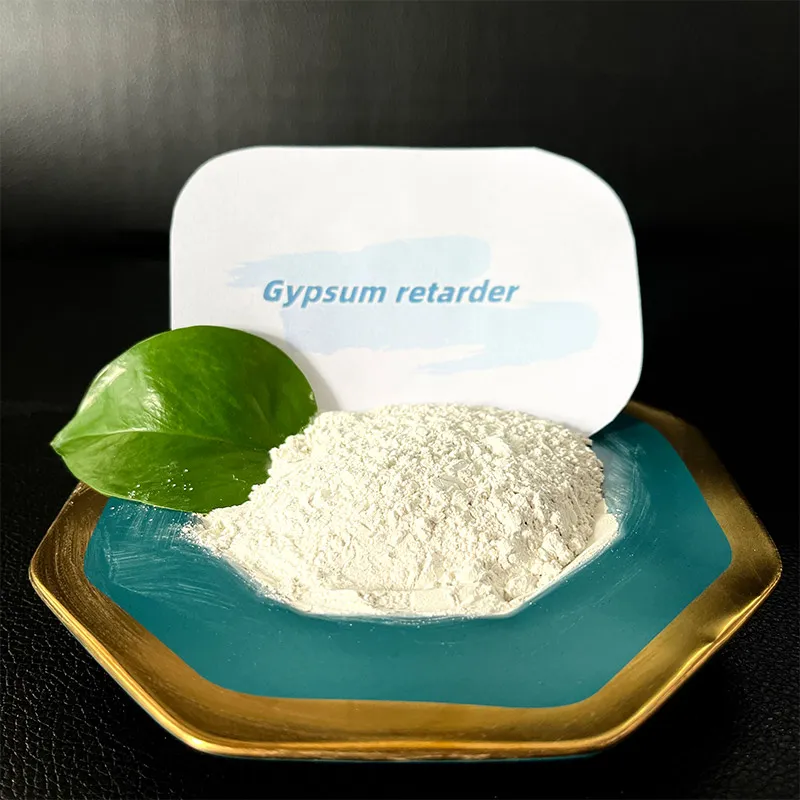


In the demanding world of construction finishes, controlling time is paramount. A plaster retarder serves as a crucial chemical admixture specifically designed to decelerate the setting reaction of plasters, primarily those based on gypsum. This deliberate delay is far from a mere convenience; it's a fundamental requirement for achieving high-quality, durable, and aesthetically pleasing surfaces. Both gypsum retarder additives and broader plaster retarder formulations work by interfering with the crystallization process of calcium sulfate dihydrate (the final set gypsum product). They adsorb onto the surface of hemihydrate particles (the main component of plaster) or complex with calcium ions in solution, hindering the nucleation and growth of the dihydrate crystals that form the hardened structure. This controlled intervention transforms the plaster from an unworkable paste into a manageable material, granting applicators the vital window needed for precise placement, thorough consolidation, intricate detailing, and achieving a truly smooth finish before the irreversible hardening occurs. Key Advantages Delivered by Gypsum Plaster Retarder The strategic incorporation of a gypsum plaster retarder unlocks a cascade of significant benefits that directly elevate the application process and the final result: Extended Workability and Application Window: This is the most immediate and critical benefit. Without a gypsum retarder , standard gypsum plasters can begin stiffening within minutes, forcing applicators into a rushed, often compromised process. A plaster retarder reliably extends the plastic state, often by 30 minutes to several hours depending on dosage and type. This allows tradespeople ample time for large batch mixing, transporting material, meticulous application over larger areas, complex mold work, detailed ornamentation, and careful finishing without the panic of the mix setting up prematurely. The pressure is removed, enabling focus on craftsmanship. Enhanced Finish Quality and Reduced Defects: Rushing plaster application is a primary cause of surface imperfections. A gypsum plaster retarder facilitates smoother troweling, easier leveling, and superior compaction. This directly minimizes the risk of air pockets, surface roughness, tool marks, and cold joints (visible lines where fresh plaster meets partially set plaster). The extended open time allows for re-troweling to achieve the desired ultra-smooth surface as the plaster begins to firm up, leading to a visibly superior finish requiring less remedial sanding. Improved Sag Resistance on Vertical and Overhead Surfaces: While extending workability, specific gypsum retarder formulations can also enhance the plaster's cohesion and thixotropy (its ability to become less viscous under shear stress, like troweling, but thicker when static). This improved body helps the plaster cling to vertical walls and ceilings during the extended working period, significantly reducing sagging or slumping before initial set occurs. This is vital for achieving uniform thickness on walls and preventing drooping on ceilings. Optimized Performance in Challenging Conditions: High ambient temperatures dramatically accelerate the setting of gypsum plaster, making summer application particularly difficult. A gypsum plaster retarder becomes indispensable in hot weather, counteracting the accelerated set and maintaining a viable working time. Similarly, when placing thick layers or using plaster in complex forms where heat buildup can occur internally, the retarder ensures uniform setting throughout the mass. Increased Flexibility for Large Projects and Complex Work: For large-scale plastering jobs, consistent workability across multiple batches is essential. A reliable plaster retarder ensures uniformity, preventing earlier batches from setting before later ones are applied. In restoration work or intricate decorative plastering involving molds and casts, the extended time provided by the retarder is non-negotiable for achieving accurate replication and detailed artistry. Reduced Material Waste: The pressure of rapid setting often leads to mixed batches hardening before they can be fully used. By significantly extending the usable life of the mixed plaster, a gypsum retarder directly reduces this form of costly material waste. Implementing Gypsum Retarder Effectively in Practice Realizing the full benefits of a gypsum retarder requires understanding its practical use: Types and Mechanisms: Common gypsum retarder chemicals include organic acids (citric acid, tartaric acid, their salts), modified carbohydrates, and certain protein derivatives. Each interacts slightly differently with the gypsum crystallization process. Liquid retarders offer ease of dosage but require careful water adjustment; powdered retarders are common in pre-mixed plasters and require thorough dry blending. Precision Dosage is Critical: The effectiveness of a plaster retarder is highly dosage-dependent. Too little provides insufficient worktime extension; too much causes severe, potentially indefinite retardation, weak final strength, surface dusting, and efflorescence risks. Manufacturers provide specific dosage ranges , which must be followed meticulously. Factors influencing optimal dosage include plaster composition, desired set time extension, water temperature, and ambient conditions. Always conduct small batch tests when changing retarder type, brand, or plaster source. Consistent Mixing and Dispersion: For powdered retarders, especially in site-mixed applications, thorough and uniform blending with the dry plaster powder before adding water is essential. Poor dispersion leads to localized areas of severe retardation and inconsistent setting. Adequate mixing time after water addition ensures the retarder dissolves and interacts effectively. Water Quality and Temperature Awareness: Hard water (high in calcium/magnesium) can sometimes interfere with certain retarders. More critically, water temperature significantly impacts set time. Using warm water accelerates the set, potentially requiring slightly higher retarder dosage; cold water slows the set. The gypsum plaster retarder dosage needs to be considered relative to the actual mixing water temperature. Environmental Considerations: While primarily focused on temperature's effect on set time, also consider humidity and airflow. Low humidity and high airflow increase evaporation, which can superficially stiffen the plaster surface even while the bulk is still chemically plastic. This might be mistaken for setting but is actually just drying. Comparing Retarder Needs: Gypsum and Other Plasters While gypsum retarder technology is highly developed due to gypsum's inherent rapid set, the need for controlled workability extends to other plaster types, though the mechanisms differ: Cement Plasters/Renders: Cement-based materials set primarily through hydration, a much slower process than gypsum crystallization. Retarders for cement (often lignosulfonates, carbohydrates, or synthetic polymers) work by delaying the hydration reactions. The focus is less on preventing flash set and more on extending workability for large pours, preventing cold joints in hot weather, or allowing time for intricate texturing. The required extension time is usually longer than with gypsum, and dosages differ significantly. A general plaster retarder label might encompass both, but specific formulations are optimized for the binder chemistry. Lime Plasters: Traditional lime plasters set very slowly through carbonation. Modern hydraulic limes set faster via hydration. Retarders for hydraulic lime plasters function similarly to cement retarders. The primary need arises in hot weather or for complex applications. Pure lime plasters rarely need chemical retardation. Specialty Plasters: Veneer plasters, gauging plasters , and synthetic resin-based plasters all have specific setting mechanisms. Each may utilize bespoke retarders tailored to their chemistry. The gypsum plaster retarder concept is most directly applicable to products where gypsum is the primary or sole binder controlling the set. FAQs about Gypsum Plaster Retarder How much extra working time can I expect from a plaster retarder? The extension provided by a plaster retarder varies significantly based on the specific retarder type, its dosage, the gypsum plaster composition itself, water temperature, and ambient conditions. Potent organic acid retarders like citrates can easily double or triple the initial working time at moderate dosages. Precise control requires consulting the retarder manufacturer's data sheets and conducting small-scale trial batches under anticipated jobsite temperatures to determine the exact dosage needed for the desired workability window. Never assume a fixed extension time. Can I add more water to extend workability instead of using a gypsum plaster retarder? Absolutely not. Adding excess water beyond the mix design requirements severely compromises the hardened plaster. It increases porosity, drastically reduces final strength and durability, promotes excessive shrinkage cracking, and leads to surface dusting. A gypsum retarder extends workability chemically without altering the critical water-to-plaster ratio, preserving the integrity and performance of the final product. How does a gypsum retarder affect the final strength? When used at the correct dosage, a quality gypsum plaster retarder has minimal negative impact on the ultimate compressive and flexural strength of the fully cured gypsum. It primarily delays the setting reaction but allows full crystallization to occur eventually. However, significant overdosing can lead to incomplete crystal formation and weaker, more porous structures, resulting in reduced strength. Proper dosage is key to maintaining strength while gaining workability. Is a gypsum plaster retarder necessary for all applications? No, it's application-dependent. For small repairs, areas easily finished quickly, or in consistently cool conditions, the natural set time of the plaster might be sufficient. However, for large ceiling or wall areas, complex shapes, intricate details, machine application, hot weather work, or projects requiring consistent batch-to-batch workability over hours, a plaster retarder is essential for achieving quality results efficiently and minimizing waste. Can I use citric acid directly as a gypsum retarder? While citric acid is a common active ingredient in many commercial gypsum retarder products, using pure food-grade citric acid is not recommended. Commercial retarders are precisely formulated blends that often include dispersants, anti-foamers, and other modifiers to ensure consistent performance, predictable retardation, good mixability, and minimal side effects like excessive air entrainment or surface blemishes. Pure citric acid can be difficult to dose accurately at the very low levels required and may lead to inconsistent results or unwanted effects. Understanding the different types of retarders, their precise dosage requirements, and their optimal use conditions is crucial for formulators and applicators alike. Whether labeled broadly as a plaster retarder or specifically as a gypsum plaster retarder , these chemical tools are indispensable for anyone committed to achieving the highest standards in gypsum-based finishes, proving that in the art and science of plastering, controlling time is synonymous with controlling quality.
- 40000tons

Production
- 20+years

Experience
- 5000+㎡

Acreage

-
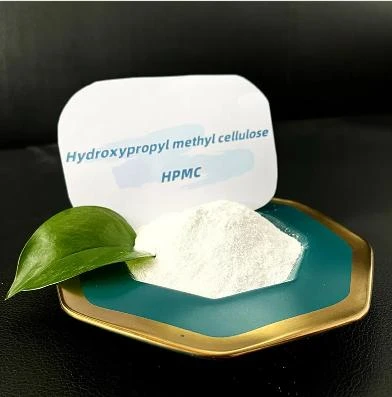
In the world of pharmaceuticals and nutraceuticals, excipients play an essential role in the formulation of drugs, enhancing both their stability and efficacy. Among these, Hydroxypropyl Methylcellulose (HPMC) stands out for its versatile properties and broad range of applications. This article delves into the distinctive characteristics, production processes, and essential benefits of HPMC as an excipient, providing invaluable insights for manufacturers and formulators who aim to leverage its unique attributes for product development. Hydroxypropyl Methylcellulose is a semi-synthetic, inert, and viscoelastic polymer, derived from cellulose. It is renowned for its exceptional ability to modify the viscosity of solutions and its role as a stabilizer, thickener, and film former. These properties make HPMC a preferred choice in the pharmaceutical industry, where it is employed not only in tablet production but also in controlled-release formulations, ophthalmic preparations, and topical agents. The production of HPMC involves the treatment of cellulose with sodium hydroxide followed by a treatment with methyl chloride and propylene oxide. This process yields a complex and adaptable product that can be tailored to meet the specific demands of various drugs, enhancing their performance in ways few other excipients can. The critical control over the degree of substitution and the molecular weight distribution allows manufacturers to customize the viscosity and gel temperature, thus optimizing the stability and release profiles of pharmaceutical formulations. What sets Hydroxypropyl Methylcellulose apart is its role in controlled release mechanisms . As an integral component of hydrophilic matrix systems, HPMC controls the release rate of active pharmaceutical ingredients through a sophisticated erosion and diffusion process. When in contact with bodily fluids, it hydrates rapidly to form a gel layer that regulates drug diffusion and subsequent dissolution. This unique characteristic is particularly advantageous for sustained and controlled-release tablets, providing a predictable pharmacokinetic profile and enhancing patient compliance. hydroxypropyl methylcellulose excipient In topical applications, HPMC serves as an effective film-former, creating a protective layer that not only enhances the delivery of therapeutic agents but also provides moisturizing benefits. Its hypoallergenic and non-toxic nature makes it an optimal choice for dermatological products, ensuring safety and efficacy even in sensitive applications. From a formulators’ perspective, the versatility of Hydroxypropyl Methylcellulose extends into the nutritional supplement industry. It plays a crucial role in the encapsulation of herbal extracts and vitamins, providing a plant-based alternative to gelatin capsules. This property aligns with the increasing consumer demand for vegetarian and vegan products, positioning HPMC as a forward-thinking solution for sustainable product lines. Quality consistency in HPMC production is paramount. Rigorous adherence to Good Manufacturing Practices (GMP) ensures that each batch meets stringent quality standards. Manufacturers who prioritize transparency and reliability in their supply chain build trust with formulators, ultimately impacting the success of end products in the market. Through precise control of process variables and a commitment to quality assurance protocols, the integrity of HPMC as a high-grade excipient is maintained, fostering trust throughout the industry. For formulators exploring innovative ways to augment drug delivery and product integrity, Hydroxypropyl Methylcellulose presents itself as a robust ally. Its adaptability in formulation design, coupled with its favorable safety profile, positions it as a core material in the advancement of both pharmaceutical and nutraceutical applications. When selecting excipients, understanding the inherently unique properties of HPMC could be a game-changer, offering an avenue to superior product performance, enhanced patient experiences, and a competitive edge in the ever-evolving landscape of health and wellness products.
-

Understanding Anionic Polyelectrolyte Powder Properties, Applications, and Benefits Polyelectrolytes have emerged as significant materials in various industrial and environmental applications due to their unique properties. Among them, anionic polyelectrolyte powders are particularly notable for their ability to effectively interact with oppositely charged substances, making them invaluable in numerous formulations and processes. This article aims to explore the properties, applications, and benefits of anionic polyelectrolyte powder in detail. What is Anionic Polyelectrolyte Powder? Anionic polyelectrolyte powders are long-chain molecules that carry a negative charge when dissolved in water. These macromolecules are formed by the polymerization of monomers that contain sulfonate, carboxylate, or phosphate groups, which generate the anionic character. The negative charge allows these polyelectrolytes to attract and bind positively charged ions and particles, providing them with unique functionalities that are harnessed in various fields. Properties of Anionic Polyelectrolyte Powder 1. High Solubility Anionic polyelectrolytes are highly soluble in water, forming viscous solutions that are essential for many applications. 2. Charge Density The degree of anionic charge on the polymer can be adjusted during synthesis, allowing for customized properties to suit specific applications. 3. Thickening and Gelling Agent When added to solutions, anionic polyelectrolytes can significantly increase viscosity, acting as effective thickening agents. 4. Stability Across pH Anionic polyelectrolyte powders demonstrate stability over a broad pH range, making them versatile for use in various environments. 5. Biodegradability Many anionic polyelectrolytes are derived from natural sources, which often makes them biodegradable and environmentally friendly alternatives to synthetic chemicals. Applications of Anionic Polyelectrolyte Powder polyelectrolyte anionic powder 1. Water Treatment One of the most prominent applications of anionic polyelectrolytes is in water treatment plants, where they are used as flocculants to enhance the removal of suspended solids and pollutants. By neutralizing the charge of particles and promoting aggregation, they facilitate the sedimentation process, leading to cleaner water. 2. Paper and Pulp Industry Anionic polyelectrolytes are used in the paper manufacturing process to improve drainage, enhance retention, and increase the strength of paper products. 3. Cosmetics and Personal Care In the cosmetics industry, anionic polyelectrolytes serve as thickening and stabilizing agents in creams, lotions, and shampoos. They help enhance product performance while ensuring a pleasant texture. 4. Agriculture These compounds are also increasingly utilized in agriculture as soil conditioners and in controlled-release fertilizers. They improve soil structure and water retention while facilitating nutrient uptake by plants. 5. Oil Recovery In enhanced oil recovery techniques, anionic polyelectrolytes are employed to reduce interfacial tension and improve the flow of oil, thus increasing the efficiency of oil extraction processes. Benefits of Using Anionic Polyelectrolyte Powder - Cost-Effectiveness The use of anionic polyelectrolytes in various processes can lead to significant cost savings by improving efficiency and reducing material waste. - Environmental Safety As many anionic polyelectrolytes are derived from natural sources, they pose minimal environmental impact compared to their synthetic counterparts. - Customizability The ability to tune the charge density and molecular weight of anionic polyelectrolytes allows for custom formulations tailored to specific industrial needs. In conclusion, anionic polyelectrolyte powder serves as a multifunctional tool across industries, with applications ranging from water treatment to agriculture and cosmetics. Their unique properties, such as high solubility, charge density, and biodegradability, make them essential in promoting efficiency and sustainability. As industries continue to prioritize eco-friendly and effective materials, anionic polyelectrolytes will likely play an increasingly prominent role in the future of technological and environmental advancements.
advantages
-

200000 Viscosities
Excellent product
We can produce pure products up to 200,000 viscosities
-

40000 tons
High yield
We don’t stop production all year round, and the annual output can reach 40,000 tons
-

24 hours
Quality service
We provide 24-hours online reception service, welcome to consult at any time
———— Inquiry Form
Schedule A services


-
 hpmc_solubility_in_ethanol
Oct . 25, 2025
In the world of construction and remodeling, the use of plaster retarder is a nuanced topic that dem - utilisations_de_la_fibre_de_polypropylene
Oct . 25, 2025
In the complex world of construction and building materials, innovative products regularly establish -
 hpmc_k4m
Oct . 25, 2025
Hydroxypropyl Methyl Cellulose Manufacturers An Overview Hydroxypropyl methyl cellulose (HPMC) is a


